
CBT Hypnopsy

About CBT (Cognitive Behavioral Therapy)

Cognitive Behavioral Therapy (CBT) is a structured, evidence-based psychotherapeutic approach grounded in the following core principles:

  1. Emotions are often the main obstacles that prevent individuals from achieving their life goals.
  2. Emotions are not caused directly by situations themselves, but by how people interpret and think about those situations.
  3. Once activated, emotions influence behavior. Behavior driven by intense or negative emotion is typically counterproductive for the individual.

CBT aims to explore the reciprocal relationship between a person’s thoughts, emotions, and behaviors (see Figure 1), supporting individuals in making meaningful changes that align with their personal values and life goals.
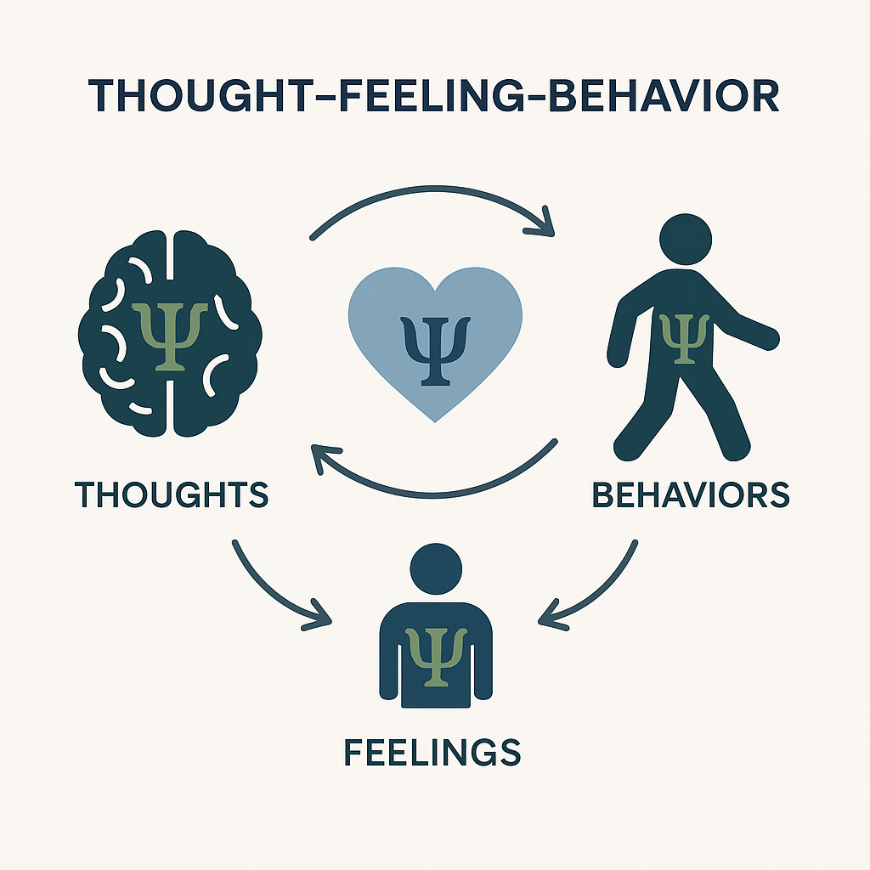
Figure 1: The Reciprocal (Vicious) Cycle of Thoughts, Emotions, and Behaviors

This interconnected cycle is central to CBT and underpins the process of identifying patterns that maintain emotional difficulties.

Key Characteristics of CBT

CBT typically focuses on the here and now and is rooted in a collaborative relationship between therapist and client. The therapist works together with the client to explore their unique experiences and identify practical strategies for change.

  • CBT is goal-oriented and often time-limited.
  • It emphasizes the development of problem-solving skills and strategies that clients can apply outside of therapy.
  • It uses structured, individualized interventions tailored to each client’s needs.

Scientific Foundation

Thanks to its structured nature and clear methodology, CBT has been extensively researched. It has demonstrated clinical effectiveness across a wide range of emotional, psychological, and physical difficulties. As a result, CBT offers protocol-driven treatments that can improve outcomes and reduce the duration of therapy.

List 1: Conditions for Which CBT Has Proven Effective

  • Anger issues
  • Panic attacks
  • Social anxiety
  • Phobias (e.g., agoraphobia, social phobia)
  • Obsessive-Compulsive Disorder (OCD)
  • Post-Traumatic Stress Disorder (PTSD)
  • Depression
  • Loss and grief
  • Eating disorders
  • Dermatological issues
  • Psychosomatic disorders
  • Chronic health conditions
  • Chronic pain
  • Chronic fatigue syndrome
  • Sexual and relationship problems
  • Child and adolescent behavioral problems
  • Habit-related issues (e.g., tics)
  • Substance abuse (alcohol/drugs)
  • Schizophrenia and psychosis
  • Issues related to learning disabilities
  • Bipolar disorder
  • Sleep disorders

Application and Accessibility

CBT can be applied:

  • At the individual or group level
  • With adults, adolescents, children, families, or couples
  • Across diverse populations, regardless of ability, culture, race, or gender

CBT is typically delivered by trained healthcare professionals (e.g., psychologists, nurses, doctors, social workers, counselors).

CBT Models and Variations

Over time, various schools of CBT have evolved, incorporating insights from psychological research and neuroscience. These include:

  • Rational Emotive Behavior Therapy (REBT)
  • Acceptance and Commitment Therapy (ACT)
  • Compassion-Focused Therapy (CFT)
  • Behavior Therapy
  • …and others.

Each school may place greater emphasis on different elements—thoughts, emotions, or behaviors—but all share the core assumptions described above.

Regardless of the specific model or name, they are all considered forms of CBT.

Unified Goal of CBT Therapists

No matter the variation, all CBT therapists aim to:

  • Help clients make meaningful changes in how they think, feel, and behave
  • Support them in resolving emotional difficulties
  • Assist them in reaching personal and life goals.Back to cbthypnopsy